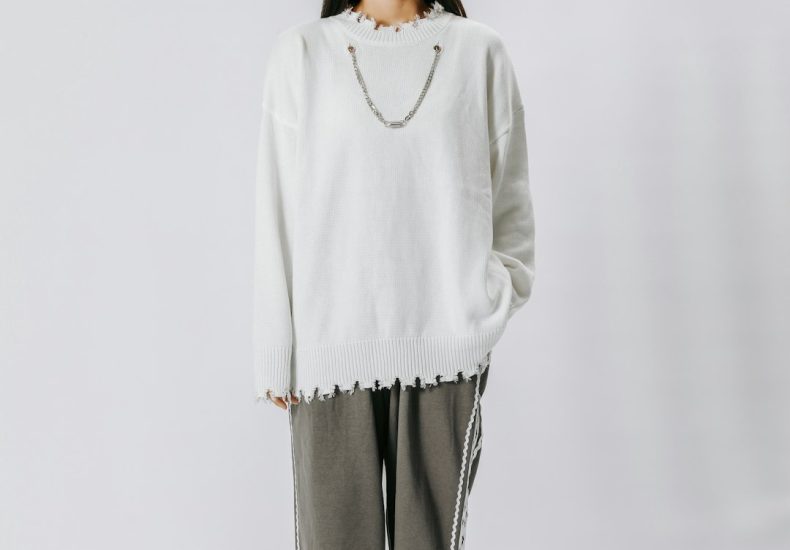
Beyond the Basics: The New Minimalist Wardrobe Embraces Statement Pieces for Authentic, Intentional Style
The Evolution of Minimalism: Statement Pieces & Intentional Style
Have you ever felt your wardrobe was simply “too much”? That feeling perfectly captures the essence of minimalism: to simplify, to be intentional, and to discard the superfluous in favor of what truly matters. In the fashion world, this philosophy gained immense traction over the past decade, popularizing the ‘capsule wardrobe’ and the mantra of ‘less is more.’ Yet, fashion, like life, is in constant motion. This year, we find ourselves at a pivotal point, redefining what it means to dress ‘minimally.’ It’s no longer just about a handful of basic, neutral items; instead, we’re seeking to express ourselves more authentically and consciously. Even those bold ‘statement pieces’ now have a rightful place, without betraying the original spirit of minimalism!
The Genesis of Minimalism: The Capsule Wardrobe Phenomenon
To fully grasp where we are today, it’s essential to look back at the origins of this movement. The early 2010s marked a significant shift, fueled by Marie Kondo’s decluttering magic and a broader societal awakening towards simpler, more sustainable living. This environment saw the ‘capsule wardrobe’ transform into the ultimate aspiration for minimalist fashion enthusiasts. The concept, first envisioned by Susie Faux in the 1970s and masterfully revived by style bloggers and experts, was brilliantly straightforward: curate a select number of key, versatile, and timeless garments that could be mixed and matched endlessly to create a multitude of distinct outfits.
The defining characteristics of a capsule wardrobe from that era were clear and often prescriptive:
- Strict Numerical Limits: Adherents often committed to a ‘magic number’ of items, typically around 30 to 40 pieces per season, meticulously including clothing, shoes, and accessories. This limit was strictly enforced, allowing for no exceptions.
- A Palette of Neutrals: Neutral tones dominated the color scheme. Grays, blacks, whites, beiges, and navy blue were the undisputed kings, primarily due to their unparalleled versatility and ease of combination with almost anything.
- Timeless Staples: The wardrobe comprised essential basics such as plain t-shirts, classic jeans, a sophisticated blazer, the ubiquitous little black dress, and a trench coat. These were considered the foundational pieces that would never go out of style.
- Quality Over Quantity: A core tenet was to invest in high-quality garments designed for longevity. The prevailing motto was “buy less, choose better,” emphasizing durability and craftsmanship over fleeting trends.
The appeal of this approach to dressing was undeniable and offered several compelling benefits:
- Elimination of Decision Fatigue: The perennial morning struggle of “what to wear?” became a distant memory, replaced by effortless outfit selection from a streamlined collection.
- Savings in Time and Money: Fewer impulsive purchases and calmer mornings contributed to both financial and mental savings.
- Environmental Consciousness: By purchasing fewer items and prioritizing durable goods, individuals actively contributed to the fight against fast fashion’s detrimental environmental impact.
- Enhanced Mental Clarity: A decluttered wardrobe often mirrored a more organized life, fostering a sense of purpose and calm.
While this system proved highly effective for many, bringing order to a world saturated with endless choices, its inherent rigidity eventually began to reveal its shortcomings.
Beyond the Basics: Unveiling the Limitations of the Traditional Capsule Wardrobe
As the capsule wardrobe garnered widespread acclaim, dissenting voices began to emerge. The primary critique centered on a crucial question: where does personal spark reside? How can individuality flourish if everyone adheres to the same stylistic blueprint? A wardrobe composed solely of neutral basics, while undeniably practical, often felt… well, a bit uninspired and devoid of true personality.
The most common grievances articulated by those seeking more from their minimalist journey included:
- Loss of Individuality and Spark: Following identical rules often led to a sense of uniformity, where individuals felt like clones. This stifled the profound opportunity to express one’s unique identity through clothing.
- Creative Constraints: For those who view fashion as a canvas for artistic expression, severely limiting colors, prints, and silhouettes felt akin to confining an artist within a narrow palette, hindering creative exploration.
- Lack of Universal Applicability: The “one-size-fits-all” model proved impractical. A CEO, an artist, a remote-working parent, or an adventurer each possesses vastly different lifestyles and clothing requirements. A standardized capsule wardrobe simply couldn’t cater to such diverse needs.
- Questionable Sustainability Claims: Despite its eco-conscious intentions, the pressure to acquire “perfect basics” sometimes led to purchasing “new basics” or frequently replacing items, ultimately undermining true sustainability efforts. The rigidity of the system could inadvertently create more stress than freedom.
- The Initial Cost Barrier: The emphasis on investing in high-quality, durable garments presented a significant financial hurdle for many, making minimalism appear to be an exclusive luxury rather than an accessible lifestyle choice.
These critiques were not intended to dismantle the minimalist philosophy entirely, but rather to highlight a crucial point: “Hey, this needs to evolve!” The core philosophy remained powerful, but its application cried out for greater flexibility and a more personal touch.
The New Era: Redefining Minimalism for Contemporary Lifestyles
This year, the conversation surrounding minimalism in fashion is undergoing an exciting transformation. We are moving away from a strict, prescriptive list of ‘do’s and don’ts’ towards a more fluid, and crucially, more personalized philosophy. The central tenet is no longer about the sheer *quantity* of clothes you own, but rather the profound *intention* behind each piece. Why do you own it? How does it make you feel? These are the questions that truly matter now.
The reinvented minimalism rests on several dynamic pillars:
- Intention, Not Prohibition: Every garment in your wardrobe must serve a purpose, whether you wear it frequently, love how it fits, or it evokes a special feeling. Each purchase becomes a conscious, deliberate decision.
- Enduring Quality: The commitment to high-quality, lasting items persists, but with an amplified emphasis on garments that withstand the test of time, both in their construction and their timeless style appeal.
- Versatility with Soul: While pieces should still be easily combinable, they are now encouraged to possess a distinctive flair. A sweater that transitions seamlessly from daily wear to a formal occasion is versatile, but if it also features an interesting color or subtle pattern, it gains an extra layer of personality.
- Emotional Connection: Clothing transcends mere fabric; it’s an extension of ourselves. A modern minimalist wardrobe values those pieces that bring joy, instill confidence, or hold beautiful memories, even if they don’t fit the traditional definition of a ‘basic.’
- Authentic Sustainability: This goes beyond simply buying less. It encompasses scrutinizing ethical production practices, understanding a garment’s end-of-life journey (can it be repaired, resold, or recycled?), and assessing its overall environmental impact.
In essence, minimalism is transforming into a powerful tool for constructing a wardrobe that genuinely serves and represents you, liberating you from the endless pursuit of fleeting trends or the mindless accumulation of possessions.
Embracing the Power of Statement Pieces in the New Minimalism
Perhaps the most exhilarating aspect of this evolution is the seamless integration of ‘statement pieces’ into the minimalist framework. At first glance, a bold, distinctive, attention-grabbing item might seem antithetical to minimalism. Yet, in this revitalized approach, such pieces are not a contradiction but a logical and celebrated component of the journey.
Within this new paradigm, a statement piece is not an extravagant splurge but rather a thoughtful, strategic investment. It’s an item chosen with deliberate care, possessing the unique ability to transform a simple ensemble into something extraordinary, injecting personality and sophisticated style with a single, impactful touch.
How do these captivating pieces find their rightful place in a minimalist wardrobe?
- The Strategic Focal Point: A well-curated minimalist wardrobe is built upon a solid foundation of classic, neutral garments. A statement piece then acts as the crucial element that elevates the entire look. Imagine a pair of perfectly fitting jeans and a crisp white t-shirt; now, add a vibrant-colored coat, a sculptural necklace, or a pair of shoes with an eye-catching design. The ensemble instantly transitions from merely functional to truly unforgettable!
- Impactful Versatility: While basics offer broad combinability, a statement piece delivers a ‘wow’ factor in its versatility. A single daring item can generate numerous distinct looks when paired with the same foundational pieces. For instance, a designer handbag can accompany you to a business meeting and then to an elegant dinner, or a printed silk scarf can be styled in countless ways to completely alter the vibe of a plain shirt.
- Your Story Woven into Cloth: Statement pieces are potent vehicles for self-expression, powerfully declaring, “this is me.” They inherently reflect your unique tastes, personality, and passions. If you adore art, a skirt with a graphic print might become your signature. If you’re adventurous, a boldly colored blazer. If you value craftsmanship, a handcrafted accessory. These pieces narrate your story without the need for accumulating a multitude of items.
- Less is More, With Potent Impact: By owning only one or two thoughtfully selected statement pieces, you eliminate the need for a large quantity of ‘just okay’ clothing to feel like you have options. Each outfit feels complete and intentionally crafted, often with less effort involved.
- Investment in Enduring Value: By its very definition, a statement piece is something you deeply love and value. This encourages investment in items of superior quality and unique design that are built to last, retaining both their aesthetic and emotional value over time. They are acquired with the intent of becoming iconic, cherished elements of your personal style.

Some inspiring ideas for ‘statement pieces’ that seamlessly integrate into a modern minimalist wardrobe:
- A Uniquely Designed Coat: It doesn’t have to be neutral. A vivid red coat, a striking plaid pattern, or an original cut can effortlessly become the star of your wardrobe.
- Shoes or Boots with Distinctive Personality: Heels with an unusual shape, an unexpected color, or a distinctive silhouette can elevate any look from ordinary to extraordinary.
- Jewelry as Wearable Art: A large, geometric necklace, sculptural earrings, or a simply designed yet impactful ring.
- A Handbag with Character: A clutch with an unusual form, a bold color, or a unique design detail.
- A Printed Silk Scarf: A burst of color and pattern that can be tied in myriad ways to instantly transform an outfit.
- A Garment with Special Fabric or Texture: A velvet jacket, a soft leather skirt, or a chunky knit sweater with a distinctive pattern.
The true genius lies not in owning many of these pieces, but in acquiring *your* selected few—those that deeply resonate with you and effortlessly integrate with the rest of your carefully curated wardrobe.
The Pillars of Your New Minimalism: Building a Wardrobe with Purpose
This evolving minimalism is less about adhering to rigid rules and more about cultivating a profound mindset. It involves a conscious introspection, a deliberate decision-making process about what you truly desire in your wardrobe. It’s about intentionality guiding every choice.
- Shop with Both Mind and Heart:
- Research Your Brands: Understand the provenance of your clothing. Support brands that prioritize ethical practices and environmental stewardship.
- Embrace Circularity: Second-hand stores and resale platforms are invaluable treasures for discovering unique, high-quality garments, significantly reducing the demand for new production.
- Rent or Borrow: For special occasions like a wedding or to experiment with a trend, consider renting or borrowing from a friend. It’s a sustainable alternative to a one-time purchase.
- Repair and Transform: Don’t discard! Learn basic mending skills or seek out a tailor. A small repair or a personalized alteration can breathe new life into a garment.
- Your Personal Style, Your Unique Map:
- Know Thyself: Dedicate time to discover which colors flatter you, which silhouettes enhance your figure, and what style truly makes you feel most authentic.
- Seek Inspiration: Create mood boards with images of looks you adore. Pay close attention to recurring colors, textures, and shapes.
- Consider Your Daily Life: How do you live? What are your daily activities? Your wardrobe must be functional and practical for your real-life circumstances.
- Your Wardrobe, Your Curated Gallery:
- Think Like a Curator: Envision your wardrobe as an art exhibition, where each piece possesses intrinsic value and contributes meaningfully to your personal narrative.
- Conduct a Thorough Inventory: Review every item you own. What do you wear consistently? What do you genuinely love? What remains unworn or unloved? What additions would truly enhance your collection?
- Identify Gaps with Intention: Shift from thinking “I need this because it’s trending.” Instead, ask: “What piece (be it a basic or a special item) would genuinely fill a void in my current wardrobe and elevate it?”
- The Enhanced “One In, One Out” Rule:
- This foundational minimalist rule gains even greater significance when incorporating statement pieces. Before acquiring something new and significant, reflect on what item, perhaps less cherished or no longer reflective of your current self, could depart to maintain balance and intentionality.
- Embrace Experimentation and Creativity!
- Minimalism does not equate to monotony. Play with your clothing. Experiment with combining colors and textures in novel ways. Utilize accessories to impart a fresh spin on an existing look. True creativity often blossoms within thoughtful limitations.
A Practical Roadmap: Reorganizing Your Wardrobe This Year
Transforming your wardrobe with this revitalized minimalist perspective is an ongoing journey, not a singular destination. Here are actionable steps to initiate this exciting process:
- Undertake a Thorough and Unsentimental Purge: Empty your entire wardrobe. Scrutinize every single garment. Be brutally honest with yourself: Have you worn it in the last year? Does it fit well? Does it make you feel genuinely great? If the answer is no, it’s time to let go! (Through donation, selling, or recycling). Rigorously separate the items you truly cherish from those you keep “just in case.”
- Define Your Authentic Personal Style:
- Create an inspiration board with images that deeply resonate with you. This doesn’t have to be exclusively fashion-related; include art, architecture, landscapes. What colors and textures consistently attract your eye?
- Analyze your current “uniforms.” What combinations do you repeatedly gravitate towards? Understand the underlying reasons for their appeal.
- Articulate your style. Are you a “boho minimalist,” a “modern classic,” an “avant-garde functionalist”? Naming your style provides a guiding framework for future decisions.
- Identify Your Wardrobe’s Core Gems: Which 5-10 garments genuinely form the bedrock of your style and are in constant rotation? These are your personal ‘basics,’ which may differ significantly from anyone else’s prescribed list.
- Discover Opportunities for Your ‘Statement Pieces’:
- Once your foundational pieces and personal style are clearly defined, ask yourself: What is currently missing to make my outfits feel complete or more authentically ‘me’?
- Is there a specific color or print you’ve always admired but haven’t incorporated?
- Could a particular type of jewelry, a distinctive handbag, or a pair of unique shoes elevate a multitude of your existing looks?
- Contemplate one or two key pieces that, upon addition, would maximize the potential and expressiveness of your current wardrobe.
- Plan Your Purchases with Deliberate Intention:
- Construct a meticulous list of what you genuinely desire or require.
- Thoroughly research brands, pricing, and second-hand options.
- Save diligently to invest in quality rather than quantity. Bid farewell to impulsive purchases!
- Before making any new acquisition, pose this crucial question: “Can I combine this with at least three items I already own in my wardrobe?” If the answer is no, reconsider the purchase.
- Nurture Your Garments! Invest in high-quality hangers, store your clothes correctly, and commit to regular cleaning and timely repairs. A truly minimalist wardrobe is a well-cared-for wardrobe.
- Regularly Review and Refine: Your personal style is dynamic and evolves. Periodically, perhaps seasonally or every six months, conduct a thorough review of your wardrobe to ensure it remains relevant and aligned with your evolving identity.
The Future of Minimalism in Fashion: Beyond Fleeting Trends
Minimalism, in its contemporary form, is far more than a passing trend; it is an enduring attitude. Its future is deeply rooted in its capacity for adaptability, its universal accessibility, and its power to empower individuals.
- Personalization as the Standard: Advances in technology and personalized manufacturing could pave the way for each garment to be uniquely tailored to the individual, drastically reducing waste and deepening the emotional connection we have with our clothing.
- The Reign of the Circular Economy: Practices such as renting, reselling pre-owned items, transforming existing garments, and comprehensive recycling will transition from niche practices to mainstream norms, significantly minimizing the environmental footprint of new clothing production.
- Values Over Volume: Consumers will increasingly look beyond mere quantity. Transparency, ethical sourcing, and the overarching purpose of brands will become paramount in purchasing decisions.
- Authenticity and Total Expression: Minimalism will solidify its position as an indispensable tool for cultivating a truly authentic and profound personal style. Every clothing choice will serve as a powerful declaration of who we are and what we value, rather than a mere attempt to conform.
In this unfolding landscape, minimalism is not about sacrificing beauty or creativity; instead, it celebrates them through conscious choice and intentional curation!
Conclusion: Your Minimalism, Your Declaration
From the strict discipline of the early capsule wardrobe to the strategic audacity of statement pieces, minimalism in fashion has undergone a profound evolution. It is no longer about blindly following a manual of instructions but about cultivating a reflective, deeply personal approach to our wardrobes. It’s an invitation to look inward, to understand what truly serves us, what genuinely represents us, and what we want our clothing to communicate about who we are.
This year, as we rethink minimalism, we are encouraged to move beyond self-imposed labels and limitations. It is about constructing a wardrobe that truly serves our lives, celebrates our unique individuality, and authentically reflects our core values. It is about investing in garments that are built to last, that we can genuinely cherish, and that make a significant impact, whether through their subtle versatility or their powerful declaration of style. Ultimately, your minimalism is an intrinsic part of you: unique, conscious, and powerfully expressive.