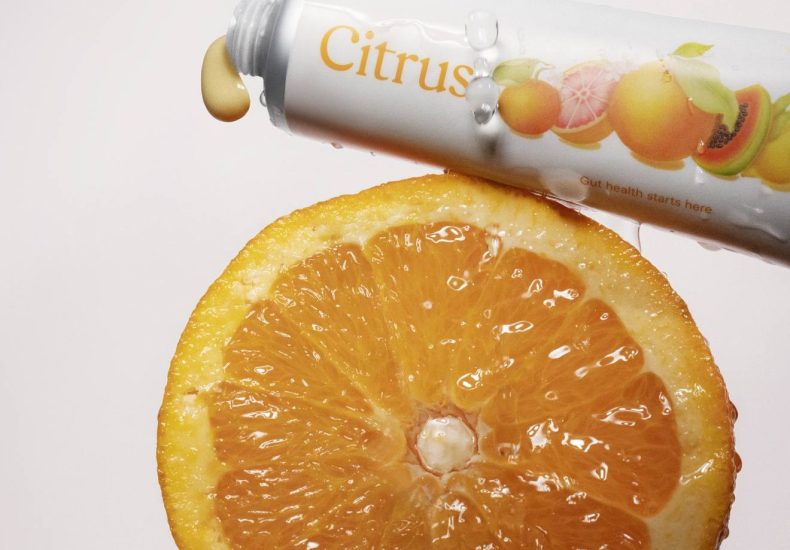
In a marketplace where wellness, microbiome science and conscious consumerism converge, Revitin’s prebiotic toothpaste stands out as a strategic signal of where oral care is heading. This in‑depth review dissects its formula, performance, usability, pricing and ideal users to help brands and marketers understand what this kind of product says about the next big wave in consumer health technology.
Why Revitin Matters in the New Oral Care Landscape
Revitin is positioned as a prebiotic toothpaste that supports the oral microbiome instead of trying to sterilize it. Rather than loading the formula with aggressive detergents and high-intensity antibacterials, Revitin focuses on nourishing beneficial bacteria, calming inflammation and working with the body’s natural ecology.
This positioning matters for trend‑focused brands because it reflects a broader shift: consumers are moving from “kill germs at all costs” to “optimize the microbiome.” In other words, oral care is starting to look a lot more like gut health. For marketers, product teams and innovation leaders, understanding Revitin is not just about toothpaste; it is about reading an early indicator of where premium, health‑driven categories are heading.
For a blog about trend reports with purpose, Revitin is a relevant case study in how a niche product can illuminate larger movements: the integration of wellness science, cleaner labels, and data‑driven promises of long‑term health impact.
Formula Deep Dive: Ingredients and Differentiators
At a glance, Revitin looks like another natural, fluoride‑free toothpaste. A closer look at the ingredients reveals a more deliberate design that aligns with microbiome‑focused and functional wellness trends. The core differentiator is the prebiotic and nutrient‑dense approach: instead of simply cleaning teeth, the formula is built to create a nourishing environment for beneficial oral bacteria.
Base, Abrasives and Surfactants
The base of Revitin uses vegetable glycerin for moisture and texture, combined with mild abrasives such as calcium carbonate and hydrated silica. This combination aims to deliver enough mechanical cleaning power to remove plaque and surface stains while minimizing damage to enamel or dentin. The abrasivity is intentionally on the gentle side, which supports sensitive users but sets expectations: this is not a high‑impact, instant‑whitening paste.
Instead of common foaming agents like sodium lauryl sulfate (SLS), which can be irritating and disrupt soft tissues, Revitin uses plant‑derived saponins from sources such as Quillaja saponaria. The result is a low‑to‑moderate foam: enough for perceived cleanliness, not enough to overwhelm or burn. This is a key usability and positioning point for sensitive users and for parents looking for less aggressive formulations.
Prebiotic Oils and Botanicals
Revitin’s “prebiotic” claim is rooted in its use of carefully chosen oils and plant extracts. Cranberry seed oil, sea buckthorn and seaweed derivatives bring fatty acids, polyphenols and trace nutrients that can serve as substrates or supportive factors for beneficial oral microbes. The concept is borrowed from gut health: feed the good bacteria, and they can help keep the overall ecosystem in balance.
For brands tracking ingredient trends, this is important: the move from single “hero” ingredients toward synergistic ecosystems (oils, antioxidants, botanicals) is gaining traction. Revitin is not selling a single miracle molecule; it is selling a system. That system is exactly the kind of narrative that resonates with wellness‑oriented consumers and fits perfectly into trend reports about holistic health products.
Vitamins, Antioxidants and CoQ10
Another distinct layer in Revitin’s formula is its supplement‑like nutrient profile. The paste incorporates vitamins C, D3, E and K2, along with Coenzyme Q10. In theory, these components support gum health, tissue repair, inflammation control and better mineralization of tooth structures. While topical delivery of vitamins is still a debated area in mainstream dentistry, the consumer story is powerful: your toothpaste is upgraded from simple cleaner to a micro‑dose wellness tool.
From a trend‑analysis standpoint, this is the kind of cross‑category blending that matters. Toothpaste begins to blur into supplement territory, which fits neatly into broader moves toward “functional everything”: functional beverages, functional snacks, and now functional oral care. Brands that ignore this integration risk missing a significant opportunity in premium positioning and consumer expectation management.
Flavors and Sweeteners
Revitin generally offers mint and citrus profiles, both built around essential oils and sweetened with stevia. This keeps the product compatible with sugar‑free lifestyles and appeals to consumers wary of synthetic sweeteners. The flavor signature is intentionally milder than standard mass‑market toothpaste: more refreshing than sharp, more botanical than medicinal.
This aligns with a noticeable shift in consumer behavior: away from “extreme” sensory stimulation and toward calmer, more natural sensations. In trend terms, Revitin is betting on subtlety and authenticity instead of shock value – a signal that brands in adjacent categories should not ignore.

Performance: Cleaning, Sensation and Long-Term Effects
Evaluating Revitin’s performance requires looking at both immediate experience and long‑term outcomes. On first contact, the texture feels creamy rather than gritty, and the foam is moderate. After brushing, users typically note a clean, smooth mouthfeel with less of the “stripped” sensation that comes from high‑detergent pastes. The absence of SLS often translates to less burning or tingling, especially for people prone to irritation or mouth ulcers.
In terms of plaque and film, Revitin performs well for everyday maintenance, particularly for users with good mechanical brushing habits and flossing routines. The mild abrasives and fruit‑derived enzymes are sufficient to manage everyday discoloration, but they are not designed to aggressively bleach or deeply whiten. Consumers expecting dramatic whitening in days will likely be disappointed; those seeking steady, low‑risk maintenance will align better with the product’s reality.
Gum Health and Inflammation
One of Revitin’s strongest use‑cases is supporting gum comfort and apparent inflammation reduction. Many users report less bleeding while brushing and improved tolerance of hot and cold foods over time. While individual results vary and controlled clinical data is still emerging, the combination of prebiotic oils, antioxidants and CoQ10 provides a credible story for improved soft tissue resilience.
For trend watchers, this is a concrete example of how consumer health products are moving from purely structural outcomes (whiter teeth, fewer cavities) to functional outcomes (less discomfort, calmer tissues, better overall feeling). That shift in messaging—from purely cosmetic to functional comfort—is a key lever in future oral‑care positioning.
The Fluoride Question and Cavity Prevention
A critical dimension of Revitin’s performance is what it does not contain: fluoride. In mainstream dentistry, fluoride is the gold standard for cavity prevention, backed by decades of data. Revitin intentionally steps away from this standard, opting instead for a fluoride‑free formula that leans on microbiome health and mineral‑supportive nutrients.
For adults with low caries risk, good diets and disciplined oral hygiene, this trade‑off can be acceptable. For children, high‑risk individuals or anyone with current decay issues, relying exclusively on a fluoride‑free product is more complex and should involve professional guidance. From a trend‑report perspective, the interesting signal is not “fluoride is obsolete”—it is that a significant and growing segment of consumers is willing to prioritize perceived systemic wellness over traditional single‑metric efficacy. Brands should read this less as a scientific verdict and more as a behavioral indicator.
Usability and User Experience
Day‑to‑day usability is often what determines whether an innovative product becomes a habit or ends up as a one‑time curiosity. Revitin scores well here. The texture spreads easily, rinses clean and leaves a neutral‑to‑fresh aftertaste. The milder foam means users can brush longer without feeling overwhelmed, which indirectly supports better mechanical cleaning.
For households, the clean label and allergy‑conscious design make Revitin attractive: free from SLS, artificial dyes and many common irritants, it is easier to standardize on one product across multiple users with different sensitivities. The main drawback is that the price point makes “one product for everyone” a premium decision. For marketers, this points toward a segmentation opportunity: Revitin is not trying to win the entire household at any cost; it is optimized for families who already invest in high‑quality wellness products.
Taste, Texture and Adoption
Flavor is a subtle but powerful adoption driver. Revitin’s mint and citrus options rely on essential oils and stevia, producing a taste profile that is more gentle than candy‑like. For users tired of extreme mint burn, this is a differentiator. For those used to intense supermarket pastes, there may be a short adaptation period.
In consumer behavior terms, Revitin is aligned with the broader move away from artificial intensity toward nuanced, natural experiences. This mirrors patterns in categories like craft beverages and premium snacks. Brands reading trend signals should recognize that sensory “softness” can be a feature, not a bug, when it is framed as part of a wellness‑first narrative.
Pricing, Value and Market Positioning
Revitin clearly plays in the premium tier. A single tube is priced significantly above mass‑market toothpaste, and even bundle options only partially narrow the gap. For price‑sensitive shoppers, this is a major barrier; for wellness‑centric consumers accustomed to paying more for organic, microbiome‑friendly or functional products, the price is high but logical.
From a strategic perspective, Revitin is not competing on cost but on story, science and alignment with consumer values. That matters for brands reading the market: instead of chasing volume at the bottom of the price spectrum, niche players are carving out profitable micro‑segments with deeply coherent propositions. This also influences distribution: Revitin leans on direct‑to‑consumer channels, specialty retailers and professional recommendations rather than relying exclusively on big‑box shelf space.
Target Users: Who Revitin Is Built For
Understanding Revitin’s ideal user is critical for positioning and for reading wider consumer trends. This is not a universal, one‑size‑fits‑all paste. It serves specific behavioral and attitudinal segments that are increasingly influential across health and beauty categories.
Ideal Customer Profiles
- Health‑centric adults focused on microbiome wellness – People who already care about gut health, fermented foods and “good bacteria” are primed to see the value in a prebiotic toothpaste. For them, Revitin is a logical extension of habits they already have.
- Individuals with sensitive gums or SLS intolerance – Users who have experienced irritation or recurrent mouth ulcers with conventional toothpaste will appreciate the gentler surfactants, smoother texture and calmer mouthfeel.
- Patients guided by integrative or biologic dentists – In practices that emphasize systemic health, toxin reduction and microbiome balance, Revitin fits neatly into protocols that prioritize ecological balance over aggressive antimicrobial action.
- Premium, wellness‑driven families – Households already paying more for organic food, clean skincare and non‑toxic home products are more likely to adopt a high‑end toothpaste that reflects the same values.
Less Suitable Users
- High‑caries‑risk individuals – People with recent cavities, high sugar intake or enamel defects should be cautious about relying solely on fluoride‑free products without professional oversight.
- Budget‑first consumers – Those who view toothpaste as a basic commodity will not find Revitin’s price‑to‑benefit ratio compelling.
- Users seeking rapid whitening – Because Revitin prioritizes gentle care and microbiome support, it is not designed for aggressive cosmetic whitening.
Real-World Use-Cases and Practical Insights
To connect this product to broader trend‑reporting work, it helps to look at how different user segments might integrate Revitin into their routines. Each scenario reveals something about evolving consumer expectations and about the opportunities for brands to innovate in oral care and beyond.
Use-Case 1: Sensitive Gum Professional
Imagine a 35‑year‑old professional, already eating relatively clean and exercising regularly, but struggling with gum tenderness and occasional bleeding. Switching from a high‑foam, high‑detergent mainstream paste to Revitin can change the daily brushing experience. Within a few weeks, the gentler texture and calmer formula may translate into less discomfort and better adherence to twice‑daily brushing.
From a trend perspective, this highlights a shift from “just clean my teeth” to “make my oral routine feel like part of my wellness ritual.” Products that reduce friction and discomfort earn habit‑forming power, and Revitin leans heavily into this space.
Use-Case 2: Allergy-Conscious Family
Consider a family where one child reacts to artificial dyes, another struggles with canker sores and the parents prefer natural products. Instead of managing three or four different toothpastes, they choose Revitin for adults and older children. The price is higher, but the simplification of routines, reduced worry about irritants and consistency of branding justify the cost.
For brands, this reinforces the value of “one product, many sensitivities” propositions. As allergies and intolerances rise, products that can satisfy multiple constraints simultaneously are well positioned, even at a premium price.
Use-Case 3: Integrative Dental Protocol
In an integrative dental clinic, Revitin might be prescribed as part of a protocol that includes professional cleanings, dietary counseling and targeted supplementation. Here, the toothpaste is not expected to be a magic bullet but a consistent, daily reinforcement of the broader ecological strategy.
On a trend‑report level, this illustrates how products and professional services are becoming more tightly integrated. Toothpaste is not just a retail item; it becomes a node in a larger health ecosystem, opening up opportunities for collaborations between brands and practitioners.
Use-Case 4: Tech-Savvy Wellness Consumer
A tech‑savvy consumer who tracks sleep, HRV and nutrition might be drawn to Revitin because it aligns with their holistic approach to data‑driven wellness. While they cannot directly measure their oral microbiome daily, they understand the logic of supporting beneficial bacteria and reducing systemic inflammation.
For a blog focused on identifying the next big thing in consumer technology, this is crucial: products like Revitin are early, analog signals of what could later become digitally measured ecosystems—think smart brushes, microbiome testing kits and integrated health dashboards.
Revitin and Trend Reports With Purpose
Revitin is more than a niche oral‑care product; it is a compact case study for brands and strategists who want to understand where health, technology and consumer expectations are heading. Its microbiome‑centric narrative, clean label, premium pricing and integrative‑care alignment all speak to macro‑trends that your trend reports can turn into actionable insight.
By analyzing products like Revitin, you can:
- Identify how microbiome logic is migrating from gut health into adjacent categories like oral care and skincare.
- Track subtle yet meaningful shifts in audience behavior, from germ‑elimination mindsets to ecosystem‑optimization mindsets.
- Discover opportunities to innovate in real time by blending functional formulas, clean‑label expectations and premium storytelling.
When Adsmarky transforms observations like these into structured narratives, Revitin becomes more than a toothpaste example; it becomes a powerful signal in a broader pattern. That pattern points toward ecosystems, personalization and wellness‑first design as core drivers of the next generation of consumer health products.
Strengths, Weaknesses and Strategic Takeaways
To conclude the analysis, it is useful to summarize Revitin’s core strengths and weaknesses from both a consumer and strategic lens.
Key Strengths
- Clear, differentiated positioning as a prebiotic, microbiome‑supportive toothpaste.
- Rich, supplement‑like formula with vitamins, antioxidants and CoQ10 aimed at gum and tissue health.
- Gentle, SLS‑free, fluoride‑free design suitable for sensitive users and clean‑label seekers.
- Mild, natural flavors and agreeable texture that support long‑term adoption.
- Strong alignment with macro‑trends in wellness, functional products and ecosystem‑based health models.
Key Weaknesses
- Lack of fluoride means it is not automatically the best choice for high‑caries‑risk individuals.
- Premium price point limits mass adoption and positions it firmly as a niche or lifestyle product.
- Whitening and stain‑removal performance is moderate compared to specialized cosmetic pastes.
- Distribution is more limited than supermarket brands, with heavier reliance on online and specialty channels.
Verdict and Recommendation
Revitin is a well‑conceived, prebiotic toothpaste that intentionally trades the conventional fluoride‑and‑detergent paradigm for a microbiome‑friendly, nutrient‑dense approach. As a product, it delivers a gentle, pleasant brushing experience and a strong narrative around long‑term gum and oral ecosystem health. As a signal in the market, it shows how oral care is evolving toward functional wellness and ecological thinking.
For individual users with sensitive gums, wellness‑oriented lifestyles and low cavity risk, Revitin can be an excellent daily toothpaste and a natural extension of broader health habits. For high‑risk users or strictly budget‑driven consumers, it is better seen as a complementary option or a case study in where the premium segment is heading rather than an immediate replacement.